
Budapest is one of the places in Hungary that attracts tourists from all over the world. It would not be an exaggeration to say that anyone who loves to travel has thought about visiting Budapest at least once in their lifetime. The capital of Hungary is beautiful in every way, and that is what makes it so irresistible to tourists. Hungary is a country steeped in history, culture, and incredible landscapes. Not to mention its unique UNESCO heritage sites.
Spring, with its blossoming flowers, offers a picturesque backdrop. In summer, festivals and thermal baths bring the country to life. Autumn, rich in color, is ideal for exploring the vineyards. In winter, Budapest lights up with Christmas markets. Plan your visit to experience the essence of Hungary throughout the year. Find inspiration for a unique and unforgettable experience in this jewel of Central Europe.
If you are planning a trip to Hungary, you may be wondering when is the best time to go. As an English-speaking tour guide in Hungary, I can help you answer that question and plan your dream trip.

Hungary’s “tourist season” runs from approximately March to October. We recommend booking in advance for festivals and national holidays that take place throughout the year. Hungary has a continental climate with hot summers and cold winters. The best time to visit Hungary therefore depends on your preferences in terms of temperature and activities. If you prefer mild temperatures, the ideal time to visit Hungary is from May to September. During this period, temperatures are warm but not too hot, and the days are long.
Summer (July and August) has its advantages: very long days, a packed calendar of tourist activities and a variety of festivals. However, as Hungary has an almost Mediterranean climate, summer temperatures can soar to 38 degrees (choose a hotel with air conditioning). And many cultural events (such as open-air opera) take place during the summer.
In spring and fall—April, May, June, September, and early October—there are fewer crowds of tourists and the weather is milder. This is one of the best times to visit Budapest. However, it is also conference season (especially in September), when hotels tend to fill up and charge their highest rates. So be sure to check well in advance.
However, if you prefer to avoid tourist crowds and high prices, the low season, from November to February, may be a good option. Although temperatures are colder, you can still enjoy the beauty of Hungary during this period, including Christmas markets and thermal baths.
For winter travelers, the concert season is in full swing in Budapest and there are absolutely no tourist crowds, but some accommodations and tourist sites are closed or operate on a limited schedule. Confirm your plans on site, especially if you are traveling off-season. The weather can be cold and gloomy, and it gets dark well before dinner time, with the sun setting at 4 p.m. at the latest. On the other hand, you’ll get to experience the magic of the holiday season with the Christmas markets. Not to mention that it snows quite often, making the city even more beautiful under the snow.
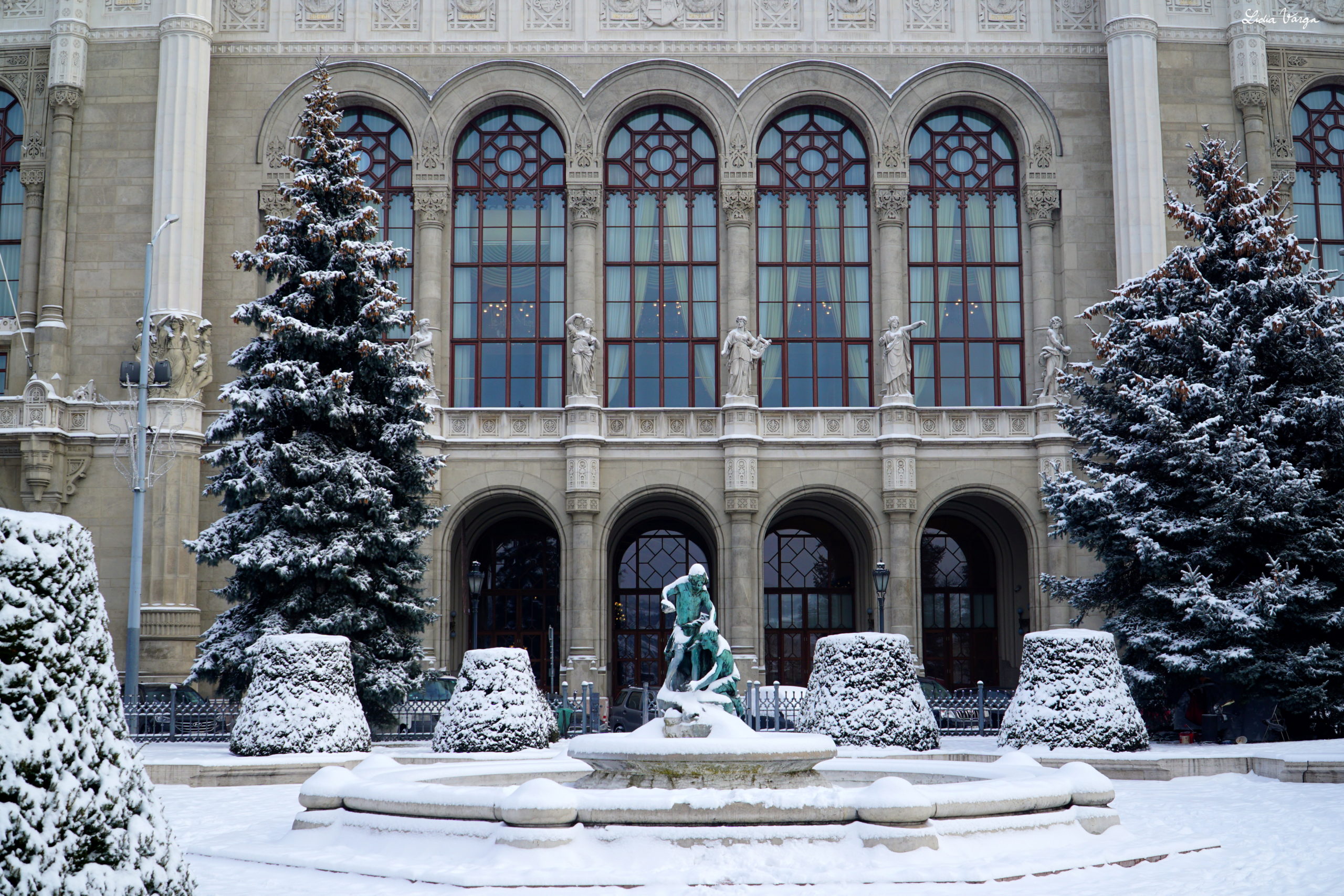
Officially, it has an extra-continental climate with a wide temperature range. There can be significant differences between the mountains in the north and the Mediterranean south. The air is dry due to the distance from the sea, so you will feel less cold in winter. The country is very sunny, one of the sunniest in Europe, but it is located at the easternmost point of the time zone. This means that the sun sets almost an hour and a half earlier than in Brittany. As a result, it gets light very early in the morning.
Discovering Hungary means immersing yourself in a continental climate with captivating seasonal nuances. Warm summers bring pleasant temperatures, ideal for exploring Budapest and its treasures. Winters offer a cold atmosphere with snow-covered landscapes, creating a magical backdrop for castles and rivers. In spring and fall, temperatures are mild and pleasant. Summer will surprise you with its heat; if you come in August, you may find it very hot. Winter is relatively cold, but it’s especially windy in Budapest that you feel it.
The variety of climates creates unique experiences throughout the year. Whether you prefer the summer charm of outdoor festivals, the winter pleasures of Christmas markets, or the spring tranquility of national parks, Hungary has something special in store for you.
Plan your visit with this climatic diversity in mind. Whether you want to stroll along the Danube in the summer sun or warm up in the thermal baths in winter, Hungary offers a vibrant climate in every season. Embark on an adventure where the climate becomes the backdrop for your unforgettable memories.
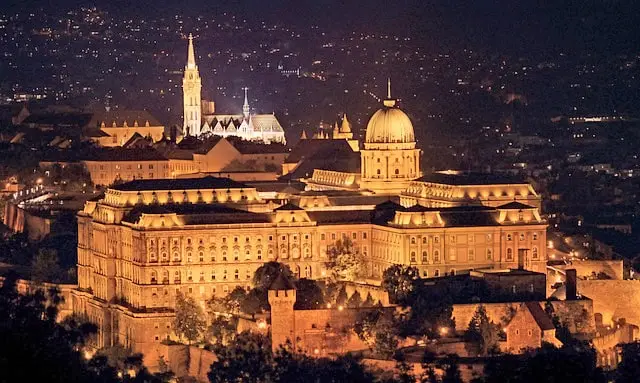
Winter in Hungary (December to February) is cold and dry, with average temperatures around zero degrees Celsius. Temperatures can drop below -10°C, with occasional snowfall. The mountainous regions of Hungary, particularly the Hungarian Alps, can be even colder, with snow and ice conditions. If you plan to visit Hungary in winter, be sure to dress warmly and plan indoor activities.
Spring in Hungary (March to May) is mild and pleasant, with temperatures ranging from 10 to 20 degrees Celsius. Trees and flowers begin to bloom, making this a popular time to visit Hungary’s gardens and parks. There may be occasional rain showers during this period, so be sure to pack appropriate clothing.
Summer in Hungary (June to August) is hot and sunny, with average temperatures around 77 degrees Fahrenheit, but can reach up to 95 degrees Fahrenheit. This is the perfect time to enjoy Hungary’s lakes and rivers, as well as outdoor festivals and events. However, there can be severe thunderstorms during this period, so be sure to check the weather forecast before planning your activities.
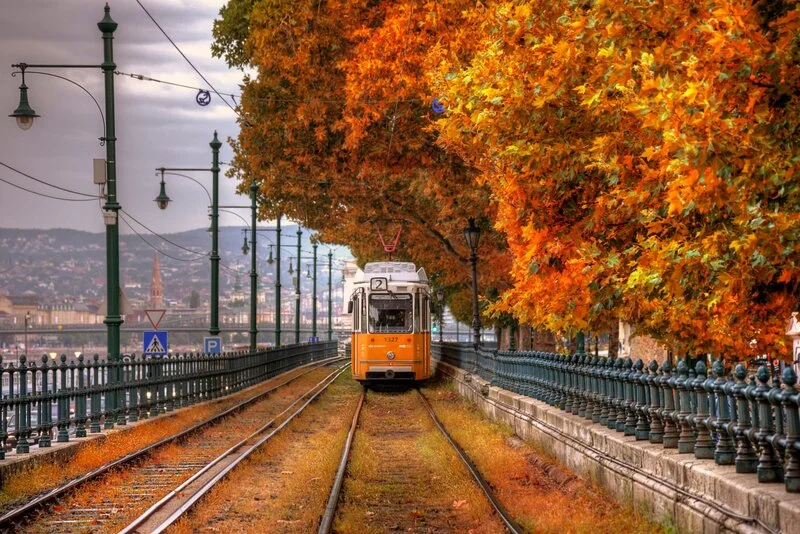
Autumn in Hungary (September to November) is cool and dry, with temperatures ranging from 10 to 20 degrees Celsius. The leaves on the trees begin to change color, offering beautiful natural landscapes. It is an ideal time for hiking and visiting vineyards.
As a French tour guide in Hungary, I recommend visiting Hungary at any time of year, as each season has its own unique charm. Depending on your interests and preferences, I can help you plan your trip to ensure you have an unforgettable experience in Hungary. Our guided tours are among the best if you are looking for a French tour guide in Budapest.

